“La realidad virtual aplicada correctamente a la educación, aporta un valor incalculable”. Entrevista completa realizada a Carlos J. Ochoa en el diario el Mundo y el Economista en junio de 2017.
Aprender inglés en una clase simulada en el fondo del mar sirve, además de para perfeccionar el idioma, para conocer el impacto del hombre en el fondo marino y descubrir así la importancia de la conservación del medio ambiente. Pero, ¿cómo lograr que una clase entera esté rodeada de peces exóticos y corales sin movernos del aula? No es ciencia ficción, es la “Realidad Virtual aplicada al entorno educativo”. La empresa española ONE Digital Consulting, con amplia experiencia en proyectos educativos internacionales, ha creado la plataforma “SmartEducationLabs” para lograr sumergir a profesores y alumnos en innovadoras experiencias educativas.
Vivimos en un mundo que evoluciona a una velocidad nunca antes vista. En el ámbito de la educación, ¿de qué forma pueden mejorar los procesos de aprendizaje gracias a la realidad virtual bien aplicada?
La realidad virtual no se circunscribe únicamente al aula, traspasa los muros de la escuela y puede ser utilizada en cualquier parte, a cualquier hora y tantas veces como se desee. Se trata de una tecnología totalmente disruptiva que crea un entorno de aprendizaje en el que se potencia la creatividad de los alumnos, la motivación y la educación en valores. Creando nuevas experiencias que aproxima la realidad al contexto educativo, en un ciclo de aprendizaje y mejora continuo.
Esta tecnología, ¿ya ha llegado a algunos centros educativos españoles?
Como viene ocurriendo en los procesos de innovación en nuestro país, lo que aparecen son pequeñas “islas de innovación”. Que se ponen en marcha a partir del esfuerzo aislado de profesionales en una labor de “misioneros”, y en base a pasión e iniciativa individual con muy poco apoyo institucional. Y esto no permite crear un auténtico ecosistema de innovación sostenible, que permita replicar modelos de éxito de unas experiencias a otras.
A lo largo del pasado mes de enero realizamos una primera encuesta a nivel nacional a través de redes sociales, con el fin de evaluar el conocimiento e impacto de la realidad virtual en el entorno educativo. Sobre una muestra de 20.000 potenciales usuarios, al analizar los resultados de la misma, pudimos evaluar de primera mano la realidad y expectativas inmediatas de los participantes. Esto nos animó a poner en marcha una experiencia piloto, en la que seleccionamos cuatro centros educativos en España (tres públicos y uno privado) para sentar las bases de proyecto pionero de la plataforma “SmartEducationLabs” a través de talleres de formación de profesores. Es fundamental, y así lo creemos desde nuestra empresa, crear un ecosistema sostenible e implicando a todos los agentes en el proceso de innovación tecnológica educativa. Y por ello, empezamos por la base, la implicación y formación de los profesores.
¿Existe una barrera de desconocimiento entre el profesorado?
En muchos casos sí y quizás sea más el desconocimiento del valor añadido que aporta y las metodologías a emplear, sin olvidarnos de la falta de recursos en los centros educativos. Hemos analizado detenidamente varios estudios de prestigiosas consultoras americanas sobre el impacto de las tecnologías en la educación y sus agentes, desde los profesores a los alumnos y los padres. Y el resumen siempre es el mismo, hay que implicar a todos los agentes desde dentro y no dejarlos fuera pensando que son el problema y no la solución. Algo que se ha manipulado desde grandes players con el fin de inundar de dispositivos los centros escolares, sin aportar un valor añadido real. Y esto si provoca un rechazo frontal entre los profesores.
Sin embargo, la plataforma “SmartEducationLabs” que desarrollamos durante nuestros proyectos educativos fuera de España, fue creada para simplificar y facilitar el acceso a la tecnología de cara a que el profesorado pudiera trabajar con ella simplificando al máximo su uso. Y hacemos especial hincapié en este asunto, el de la formación de los profesores para minimizar las barreras de acceso, a través del programa de talleres de formación para profesores que hemos puesto en marcha de forma paralela a la implantación de la plataforma.
En cuanto a la falta de recursos, hay que tener en cuenta que implantar este sistema en las escuelas no es costoso, de hecho, si lo comparamos con los costes de puesta en marcha de laboratorios de física, química o tecnología, el coste sería infinitamente menor. Pero incorporando un valor añadido adicional, la plataforma es aplicable a todas las asignaturas y se puede acceder a ella en la clase o desde casa a cualquier hora. Esto es, la accesibilidad y disponibilidad de un Laboratorio Virtual, es total, tanto para profesores como alumnos, minimizando costes y optimizando el rendimiento de su uso.
También hemos creado una comunidad educativa virtual, en donde incluimos materiales educativos siempre actualizados y validados, además de nuevas metodologías didácticas. Nuestra propuesta es un nuevo escenario en dónde el alumno es el auténtico centro y protagonista del proceso y el profesor actúa como coach. Los contenidos que ponemos a disposición de la comunidad educativa están validados por nuestro equipo de expertos en educación quiénes discriminan y contextualizan la información.
¿En qué consiste el programa de talleres que imparten a los profesores antes de comenzar a utilizar la plataforma?
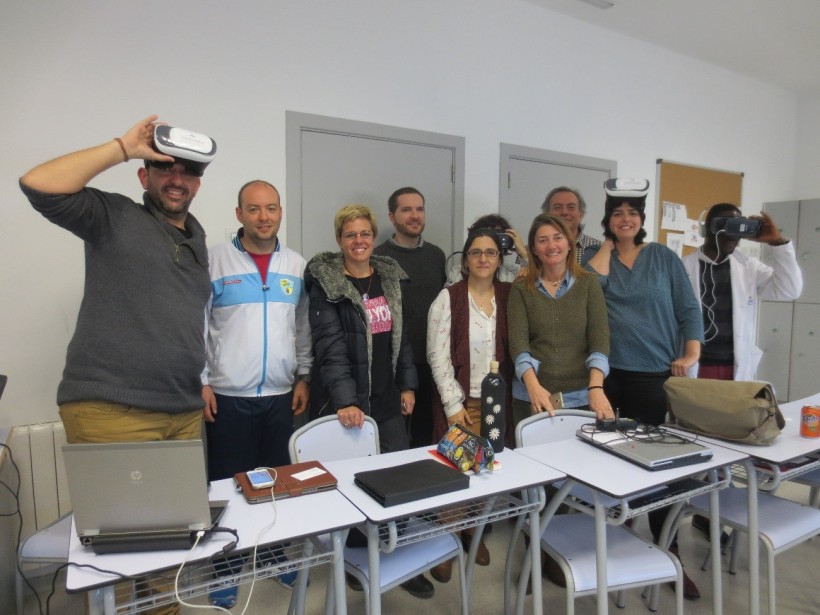
Tenemos claro que este proyecto de realidad virtual solo puede tener éxito si pasa por una fase de formación, adecuación e inmersión de los profesores en esta tecnología. De esta forma, les convertimos en alumnos para que vean cómo perciben los estudiantes este nuevo ecosistema educativo.
En este sentido, desde ONE Digital Consulting no entendemos que la realidad virtual sea una nueva herramienta tecnológica como en su día fueron las tabletas o las pizarras electrónicas. Es un nuevo ecosistema que cambiará el concepto de la formación y del aprendizaje aportando a los alumnos un valor incalculable y facilitándoles una aproximación más real a su futuro escenario laboral. Proponiendo problemas reales a resolver desde entornos tecnológicos avanzados. Tal y como se encontrarán en la vida real.
¿Está España preparada para este nuevo ecosistema educativo?
Durante el pasado año hemos estado realizando la implantación de uno de nuestros proyectos educativos referentes a nivel mundial para el Ministerio de Educación de los Emiratos Árabes dentro del Smart Learning Program. En colaboración con un consorcio internacional, participamos en el diseño y puesta en marcha de seis “Learning Resource Centers”, en seis colegios públicos de otras tantas ciudades. Nuestra aportación fue la consultoría y conceptualización del proyecto global y el desarrollo e implantación del proyecto de Realidad Virtual y Aumentada en seis centros de referencia. Hoy en día, podemos decir, sin lugar a dudas, que esta experiencia es absolutamente replicable en nuestro país. Si bien, el cambio debe ser paulatino y gradual para que la utilización de la realidad virtual en el entorno educativo sea realmente eficiente.
En España contamos con un bagaje y una experiencia digital muy valiosa en el sector educativo que nos permitiría ser un auténtico referente a nivel mundial, pero hay que apostar seriamente por ello. “Si queremos formar una generación de profesionales líderes y emprendedores que afronten un nuevo futuro cambiante, complejo y global, debemos dotarles de herramientas y metodologías con las que resolver problemas reales, de lo contrario, seguiremos en el vagón de cola”.

Para finalizar, ¿qué experiencias destacaría de las vividas hasta el momento con este proyecto educativo?
A la hora de crear experiencias educativas inmersivas, reimaginamos nuevos escenarios en donde el alumno o profesor que va a vivir la experiencia sea participe desde dentro. Esto es, debe ser parte de la narración, tanto objeto como sujeto de la misma. Y para ello, asistimos inicialmente a una clase…por ejemplo de idiomas, la grabamos y analizamos lo que allí ocurre. Y elaboramos un nuevo guion, con una narrativa diferente, respetando las reglas de la clase, pero reimaginando la narrativa y contextualizándola en un nuevo escenario. Siempre en consenso con el profesor y los alumnos.
De esta manera, una vez grabada y producida, comparamos los resultados y comentamos la experiencia con profesores y alumnos…y los resultados son sorprendentes y extraordinarios.
Uno de los beneficios que aporta esta metodología de trabajo, es que podemos poner en marcha formas de aprendizaje explícitas o implícitas, jugando con la guionización, el escenario y la interactuación con los alumnos. El rol del alumno virtual, también se puede definir en función de en donde se ejercite la actividad: en clase, en casa o de forma individual.
Una de las experiencias más interesantes que hemos grabado fue una clase de música en el Instituto Tecnológico Rosa Chacel de Colmenar Viejo. “Carros de Fuego”
Asistimos un día cualquiera a una clase de música en el Instituto, grabamos todo lo que allí ocurre, las explicaciones de la profesora, las interacciones con alumnos, la interpretación de una obra, las reacciones de los distintos alumnos a lo largo de la hora de clase…etc.
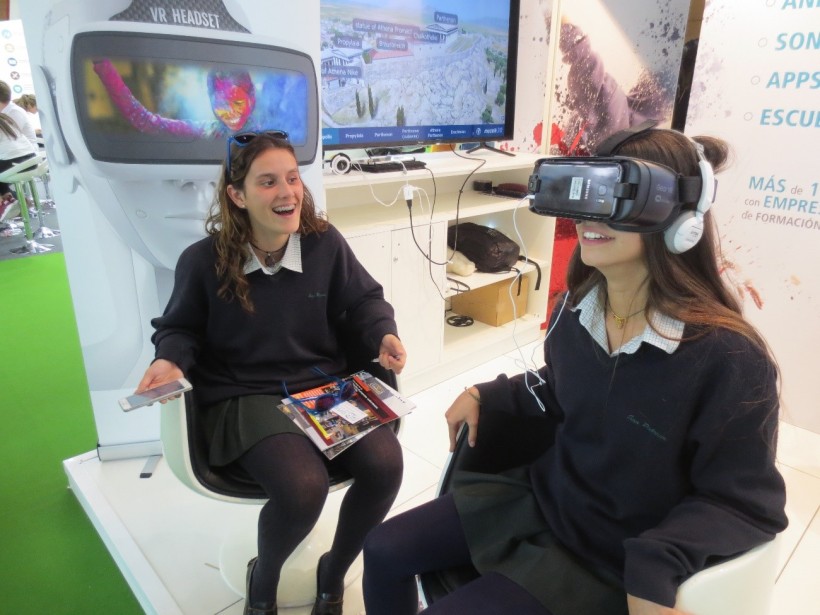
Una vez visualizada la experiencia, hablando con la profesora, decidimos reguionizar la práctica, creando un nuevo espacio más inmersivo, en donde situamos a todos los alumnos en círculo alrededor de un visitante “teórico” virtual, que les observará desde cualquier lugar del mundo. Se elabora una introducción a la lección, se prepara un video de introducción sobre el objeto de la obra a interpretar “Carros de Fuego” y se introduce a los alumnos en el mundo de Vangelis (músico y compositor de obras de Cine entre otras). Se distribuye a los alumnos en círculo, seleccionando los distintos instrumentos conforme a la mejor sonoridad espacial y conseguir el mejor efecto inmersivo, así como permitir que todos se involucren en la interpretación y creen un clímax especial.
Los alumnos se dejaron llevar de una manera natural, siguiendo la narrativa de la profesora y siendo ellos auténticos protagonistas de la clase dejando que ocurriera algo mágico y espontaneo. Gracias a la experiencia inmersiva, conseguimos que los alumnos se involucrasen e interactuasen interpretando de manera magistral la obra de “Carros de Fuego” Creamos una historia en la que todos eran partícipes y a su vez, ellos recrearon el guion con su involucración e interpretación.
Pero esto no terminó aquí. Una vez terminada la clase y de forma natural, se agruparon alrededor del piano y comenzaron a improvisar distintas canciones, creando un nuevo escenario mágico, en donde fluía la creatividad, la participación y la felicidad en sus rostros. Aquello lo habían creado ellos mismos y por ello se sentían tan felizmente involucrados y desarrollados.
En este caso, estamos trabajando una experiencia centrada en los conocimientos del profesor y por otro lado, en la experimentación, manipulación y aplicación de los alumnos
Inicialmente, el profesor de música quiere enseñar a los alumnos como interpretar y sentir una obra musical, en un determinado contexto. En un aprendizaje explícito el profesor empieza explicando la solución correcta a sus alumnos o ayuda a los alumnos a encontrar la solución correcta.
Realiza una introducción a la obra, presenta un video de la película para introducir a los alumnos al contexto y a partir de este momento, diseña y aplica una serie de conceptos en los cuales espera que los alumnos hayan escuchado su instrucción, la recuerden, la entiendan, la integran en sus esquemas de conocimientos, la apliquen y la integren en su patrón de comportamiento a la hora de interpretar la obra.
Para optimizar el procedimiento, el profesor emplea la retroalimentación en donde involucra a los alumnos en la búsqueda de soluciones ante los planteamientos que les propone el profesor.
En base a estas dificultades encontradas a la hora de enfocar la interpretación, el profesor cambia el enfoque y en vez de aportar las soluciones a los alumnos, les crea dudas que deben ser resueltas por los alumnos. Por ejemplo, que diferencias han encontrado entre la interpretación original y la de los alumnos, el porqué de ese enfoque, que han sentido a la hora de interpretar la obra, como podrían mejorar la interpretación…etc.
Y son los alumnos los que analizan el proceso y aportan las soluciones de forma espontánea y consensuada. En donde nuevamente, se genera una interactuación de retroalimentación en donde la relación entre profesor y alumnos es extremadamente valiosa.
Esta experiencia está integrada dentro de la plataforma “SmartEducationLabs”
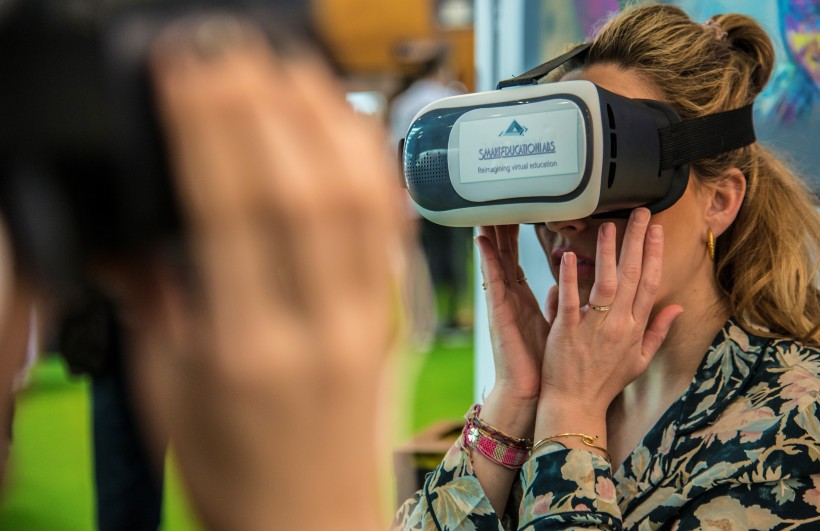
Una segunda experiencia la desarrollamos en el Colegio Lope de Vega de Madrid. Acordamos con la dirección del colegio y previa autorización de los padres de los alumnos, recrear una experiencia inmersiva única. Esta fue desarrollada en colaboración con Mr. Charly, un atentico mago de la educación de niños, y que lleva innovando muchos años, a pesar de su juventud.
Conjuntamente diseñamos una experiencia, en la que, a partir de un guion original teatralizado, íbamos a sumergir a niños y niñas de seis-siete años en una clase de inglés en el fondo del mar. El objetivo inicial, era crear una experiencia inmersiva en la que los niños además de aprender la lengua, interactuasen con el medio y descubrieran el impacto del hombre desde el punto de vista medioambiental. Intentándoles sensibilizar a través de la visualización de distintos escenarios naturales con el medio ambiente y el reciclado.
Esto era todo un reto y lo afrontamos sabiendo cómo iba a empezar, pero nunca como iba a acabar. Y al final, se convirtió en una experiencia fue realmente espectacular, emocionante e inolvidable.
Preparamos un escenario de cartón recreando distintos espacios naturales. Así mismo se colocaron varios contenedores de recogida de material para reciclar, a lo largo de la clase y se esparcieron distintos tipos de materiales de basura alrededor del escenario, simulando una playa altamente contaminada.
Todo aquello servía para introducir a los niños en un escenario casi real y muy parecido al que se encuentran cuando salen de vacaciones a la playa o al campo.
Los niños, sentados alrededor de este mundo imaginario, ya habían volado con su imaginación a varios kilómetros de su colegio, y cuando apareció Mr. Charly con sus mascotas, todo se volvió mágico.
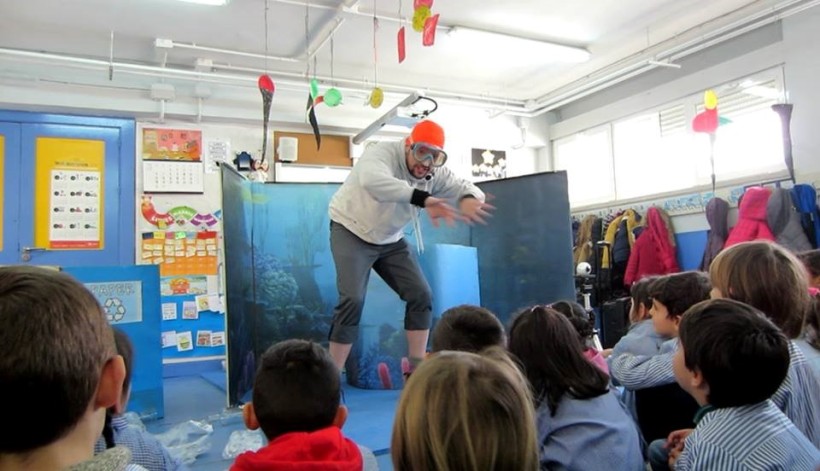
La participación, involucración y capacidad de imaginación era desbordante y superaba con mucho las expectativas iniciales…y nos dejamos llevar por el desarrollo de los acontecimientos. Sin saber hacia dónde nos llevaría la experiencia, hasta que fuéramos capaces de visualizarla con los dispositivos de realidad virtual y vivirla por nosotros mismos desde dentro.
En este caso aplicamos el aprendizaje implícito. Esto es, un aprendizaje no-intencional, en donde los estudiantes no tienen consciencia sobre qué están aprendiendo y que resulta en la ejecución automática de una conducta motora. Los niños y niñas atienden las explicaciones del profesor, pero no son conscientes de que están aprendiendo inglés, cuidar el medio o reciclar. Pero con el tiempo, serán capaces de ejecutar esa conducta de una manera automática.
En este momento estamos realizando nuevas experiencias creativas 360º que podrán disfrutarse muy pronto en la plataforma “SmartEducationLabs”.
La tecnología al servicio de la educación
ONE Digital Consulting nació tras varios años de experiencias cosechadas en diversos sectores por el ingeniero Carlos J. Ochoa. En los años noventa, Ochoa trabajó junto a Siemens en proyectos de simulación, y entrados en el nuevo milenio, comenzó a involucrarse en el tema de la realidad virtual de la mano de proyectos impulsados por los centros de I+D europeos de mayor prestigio. En esta época investigó acerca del tratamiento digital de la imagen, sobre el procesamiento de la misma, investigó también en sistemas 3D, en la integración de realidad virtual y realidad aumentada, en el desarrollo de mundos virtuales, navegadores educacionales, etc.
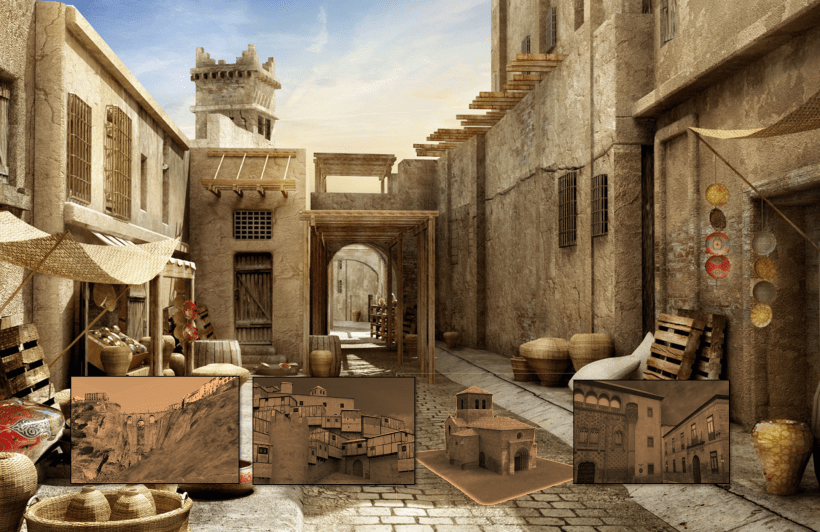
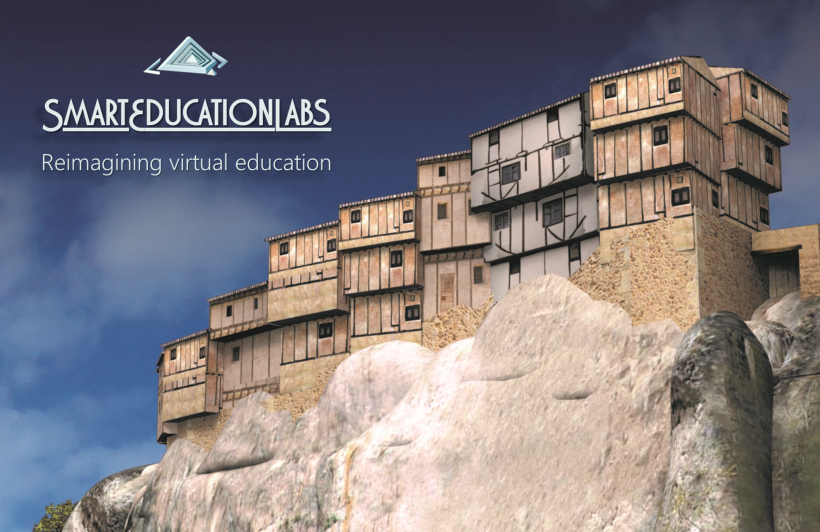
Todo este conocimiento y experiencia acumulada se volcó, en primer lugar, en proyectos innovadores de puesta en valor del patrimonio cultural. Resultado de ello fueron los proyectos de reconstrucción de la ciudad de Cuenca en la época islámica, o la época medieval de Soria. Este complejo desarrollo conseguía que todo este conocimiento llegase al público de forma sencilla. Una vez “conquistado” el ámbito del patrimonio cultural, vio en la educación un área por explorar y en el que la realidad virtual inmersiva tendría un gran potencial por descubrir.
Desde ONE Digital Consulting han trabajado con éxito en proyectos educativos pioneros a nivel mundial en distintos países como los Emiratos Árabes Unidos, Arabia Saudí, Italia o Malta, entre otros. Ahora, esta tecnología disruptiva está llegando, poco a poco, a los centros educativos españoles.
ONE Digital Consulting es miembro de la Asociación Internacional de Realidad Virtual y Aumentada VRA/AR y Carlos Ochoa es Global Co-Chair de la Comisión de Educación.
www.onedigitalconsulting.com
www.smarteducationlabs.com
“Si queremos formar una generación de profesionales líderes y emprendedores que afronten un nuevo futuro cambiante, complejo y global, en un entorno de incertidumbre, debemos dotarles de herramientas y metodologías con las que resolver problemas reales para afrontar con certidumbre su futuro”.
El Mundo y el Economista junio 2017.








 Carlos J. Ochoa Fernandez